

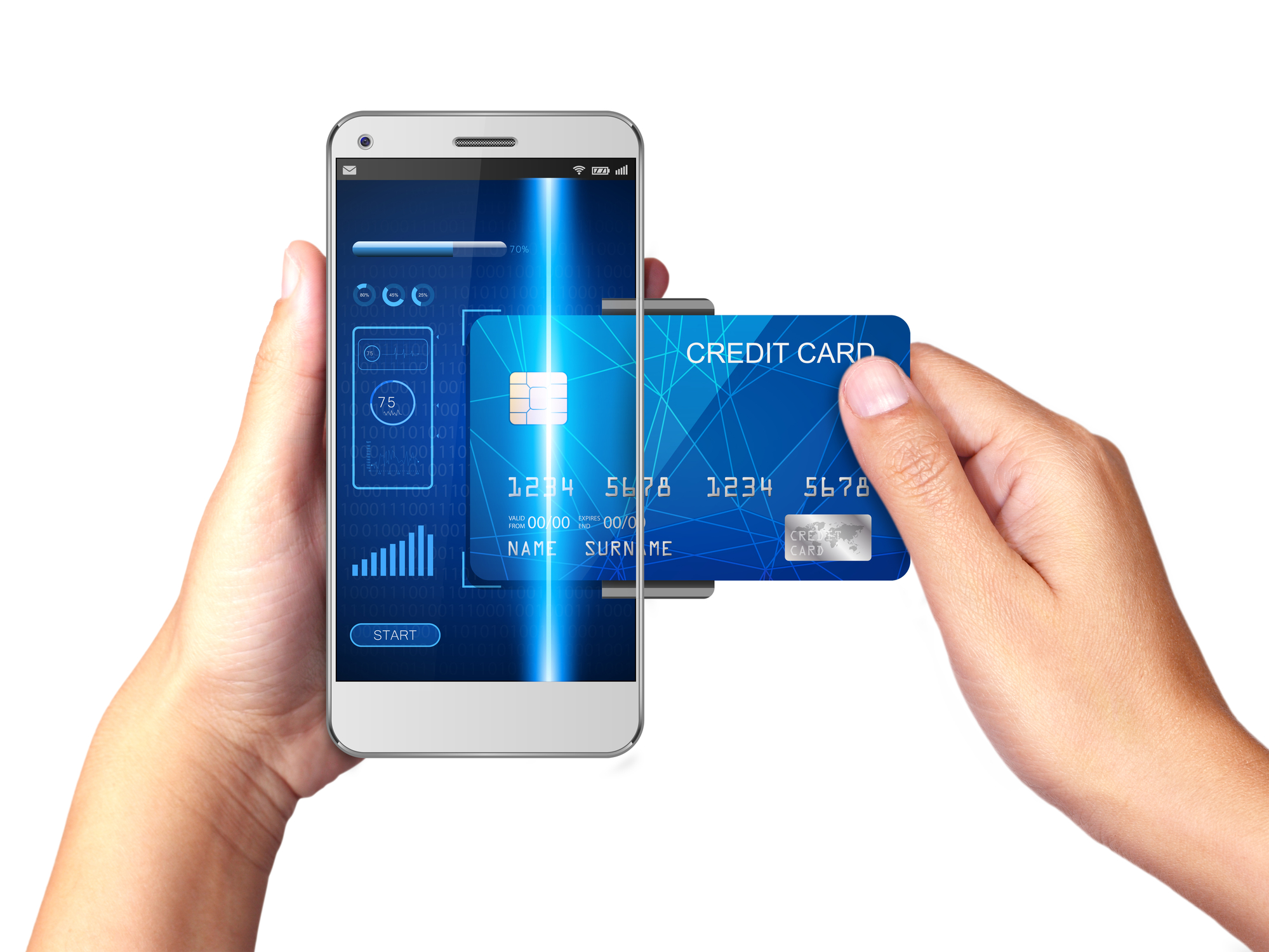
Your customers are on their phones right now. If your mobile marketing strategies aren’t keeping up, you’re losing business to competitors who figured this out already.
Here’s the reality for small businesses: over 60% of all web traffic comes from mobile devices. And 76% of people who search for a local business on their phone visit that business within 24 hours. Those aren’t future projections. That’s happening today.
This guide covers 9 mobile marketing strategies that produce real results. Not theory. Not a pitch for some enterprise software platform. Just practical tactics you can put to work this month – no matter if you run a restaurant, a service company, or an online store.
- Mobile-first website — Speed and responsive design as the foundation
- SMS marketing — 98% open rate, direct to your customer’s pocket
- Google Business Profile — Your #1 asset for “near me” searches
- Personalization — Segment using data you already have
- Location-based marketing — Geofencing and proximity targeting
- Mobile email — 68% of emails open on phones. Design for that.
- Social media — Short-form video and mobile-first ads
- Mobile paid ads — Click-to-call, location extensions, retargeting
- Analytics — Key metrics and a monthly review habit
What Are Mobile Marketing Strategies?
Mobile marketing strategies are tactics focused on reaching people through their smartphones and tablets using channels like SMS text messages, mobile-optimized emails, responsive websites, in-app ads, push notifications, and location-based promotions. They take advantage of what makes phones unique: they’re personal, they’re location-aware, and people carry them everywhere.
Here’s why mobile marketing for small businesses matters right now:
- SMS messages have a 98% open rate (email averages around 20%)
- Mobile ad spending now accounts for the majority of all digital ad spend in the U.S. – estimates put it above 70%
- People spend an average of 4+ hours per day on their phones, according to most industry reports
- Mobile commerce continues to grow year over year, with more purchases happening on phones than ever before
The $2.97 average CPC for mobile marketing keywords tells you something important: businesses are willing to pay for this traffic because it converts. (Internal keyword research, Feb 2026)
Strategy 01Make Your Website Mobile-First
Your website is the foundation of everything else on this list. If it loads slowly or looks broken on a phone, every other strategy falls apart.
Responsive Design
Responsive design means your site automatically adjusts to fit any screen size. Google has used mobile-first indexing since 2019. That means Google ranks your site based on how it performs on mobile, not desktop.
Check your site right now at pagespeed.web.dev. If your mobile score is below 70, that’s where you should start before doing anything else on this list.
Speed Matters More Than You Think
If your mobile site takes more than 3 seconds to load, over half your visitors leave before they see a single word.
Quick wins for faster load times:
- Compress images (use WebP format when possible)
- Remove plugins and scripts you’re not actually using
- Enable browser caching
- Upgrade to a hosting provider that prioritizes speed
Denver restaurant: Mobile load time went from 6 seconds to 2.1 seconds after optimizing images, cleaning up unused plugins, and switching hosts. Online reservations increased approximately 34% in the first month. Nothing else changed. Just speed.
Strategy 02Use SMS Marketing to Reach Customers Directly
Text message marketing is one of the most underused mobile marketing strategies for small businesses. And it’s one of the cheapest to start. The numbers speak for themselves: 98% open rate. 90% of messages read within 3 minutes. Click-through rates more than double what email delivers.
Building Your List
You need permission before sending marketing texts. Build your opt-in list through:
- Website pop-ups offering a discount for signing up
- In-store signage with a text-to-join keyword
- Social media posts promoting SMS-only deals
- Checkout prompts (online and in-person)
Writing Texts That Get Results
Keep messages short and direct. You have 160 characters. Every text needs a clear call to action.
Good: “Hey [Name], 20% off all services this Friday only. Book now: [link]. Reply STOP to opt out.”
Bad: “We’re excited to announce our amazing new promotion! We have lots of great deals happening this week at our store…”
Send 2-4 texts per month. More than that and you’ll burn your list with opt-outs. Time them during business hours, and front-load the value.
Strategy 03Optimize Your Google Business Profile for Mobile
This is the mobile marketing strategy that most guides skip entirely. When a customer searches “plumber near me” or “coffee shop near me” on their phone, Google doesn’t send them to your website first. It sends them to your Google Business Profile.
For local businesses, GBP is your most important mobile asset. And it’s free.
Capitol Hill coffee shop: Hadn’t updated their profile in two years. After adding fresh photos, responding to every review, and posting weekly updates, their “near me” mobile impressions grew approximately 62% in 90 days. No ad spend. No website changes. Just GBP.
Here’s what to keep current:
- Accurate hours, address, and phone number (check these monthly)
- New photos (add at least 2-3 per month)
- Responses to every review, positive and negative
- Weekly posts about offers, events, or updates
- Complete service/product listings with descriptions
If you run a business with a physical location, this should be strategy #1. It’s free, it’s fast, and it directly reaches people who are ready to buy.
Strategy 04Personalize the Mobile Experience
Generic marketing messages get ignored. Personalized ones get clicked. And on mobile, personalization is easier than most business owners realize.
Start With What You Already Have
You don’t need an enterprise data platform. Start with basics you probably already collect:
- Purchase history
- Browsing behavior on your website
- Location (with permission)
- Email engagement patterns (opens, clicks)
Your CRM, email platform, and Google Analytics already gather most of this. The step most businesses skip is actually using it.
Segment Your Audience
Divide your customers into groups based on behavior. A first-time visitor needs different messaging than a repeat buyer. Someone browsing your pricing page has different intent than someone reading a blog post.
Front Range tourism client: Had been sending the same email to their entire list. We segmented by visitor interest – outdoor activities vs. dining vs. family attractions – and optimized the templates for mobile. Click-through rates jumped approximately 41%. Same list size. Same send frequency. Just smarter targeting.
If you’ve never segmented before, here’s a 5-minute starting point: open your email platform, create two segments – customers who bought in the last 90 days vs. everyone else. Send each group a different offer next week. That’s personalization. Start there and get more specific over time.
Strategy 05Use Location-Based Marketing
Location-based marketing sends targeted messages to customers based on where they physically are. For businesses with a storefront or service area, this can be one of the highest-ROI mobile tactics available.
Geofencing
Geofencing creates a virtual boundary around a specific area. When someone with location services enabled enters that zone, they can receive your ad or notification.
A retail store can set up a geofence around its location and send a discount to nearby shoppers. A restaurant can target people within a 2-mile radius during lunch hours. A dental practice can target the office park across the street.
We’ve written a complete guide to geofencing marketing that covers setup, costs, and what kind of ROI to expect.
Proximity Marketing
Proximity marketing uses Bluetooth beacons to trigger messages when customers are physically close to your business. It’s more precise than geofencing – we’re talking 10-30 feet vs. a half-mile radius.
This works best for retail, restaurants, and event venues where you want to reach people who are already in or near your location.
The common thread across all location-based tactics: you’re reaching people based on where they are, not only what they searched. For businesses with a physical presence, that’s a significant advantage over traditional online ads. Among all mobile marketing strategies, location-based targeting often delivers the highest ROI for brick-and-mortar businesses.
Strategy 06Make Your Email Marketing Mobile-Ready
Over 68% of emails are opened on a mobile device. If your emails aren’t designed for small screens, most of your list is having a bad experience with your brand.
Mobile Email Design Basics
- Single-column layout (multi-column breaks on phones)
- Subject lines under 40 characters (longer gets cut off)
- Buttons large enough to tap with a thumb (minimum 44×44 pixels)
- 14px minimum font size for body text
- Preview every email on your phone before hitting send
Automated Sequences That Work on Mobile
Set up automated email flows that render well on any device:
- Welcome series for new subscribers
- Abandoned cart reminders
- Post-purchase follow-ups
- Re-engagement campaigns for inactive subscribers
B2B services client (Denver metro): Set up a 3-email mobile-optimized welcome sequence. Within 60 days, that sequence drove approximately 23% of their new client inquiries. All on autopilot.
Strategy 08Run Mobile-Optimized Paid Ads
Mobile PPC on Google and social platforms needs a different approach than desktop campaigns. Mobile searchers often have higher purchase intent – they’re already out looking for something right now.
Mobile Search Ads
Google lets you adjust bids specifically for mobile devices and add mobile-specific features:
- Click-to-call extensions (huge for service businesses)
- Location extensions showing your address and distance
- Sitelink extensions to mobile-friendly landing pages
Lakewood home services company: Added click-to-call extensions to their mobile ads and saw phone inquiries increase approximately 28% in the first two weeks. The cost per lead actually dropped because mobile callers converted at a higher rate than form submissions.
Retargeting on Mobile
Retargeting shows ads to people who already visited your website. On mobile, this is particularly effective because people are on their phones throughout the day. Someone who browsed your site during lunch might see your retargeting ad while scrolling Instagram that evening.
Keep retargeting ads simple. One message. One action. “Come back and finish your purchase” works better than trying to reintroduce your entire brand.
Strategy 09Track What’s Working With Mobile Analytics
You can’t improve what you don’t measure. Mobile marketing gives you detailed data on every campaign – but only if you know what to look at.
Key Metrics to Watch
| Metric | What It Tells You | Where to Find It |
|---|---|---|
| Mobile conversion rate | How many mobile visitors take action | Google Analytics |
| SMS open/click rate | How engaging your texts are | Your SMS platform |
| Mobile bounce rate | If your mobile site is pushing people away | Google Analytics |
| Click-to-call rate | How many mobile users are calling you | Google Ads, call tracking |
| Mobile page speed | If your site loads fast enough | PageSpeed Insights |
| Email mobile open rate | How your emails perform on phones | Your email platform |
Review Monthly, Not Daily
Set up device segments in Google Analytics 4 to compare mobile vs. desktop performance. Check monthly for trends. A slow decline in mobile conversion rate might mean your site needs a speed update or a design refresh.
Google Search Console shows which queries drive mobile traffic and how your mobile rankings compare to desktop. This is free and most businesses never look at it.
The businesses that get the best results from their mobile marketing strategies are the ones that treat measurement as a habit, not a one-time project.
Mobile Marketing Mistakes to Avoid
These mobile marketing strategies work best when you avoid these common mistakes:
- Texting your list too frequently. More than 4 messages a month and your opt-out rate will spike. Every text needs to deliver clear value.
- Ignoring mobile site speed. You can run the best ad campaign imaginable, but if your landing page takes 5 seconds to load on a phone, you’re paying for traffic that bounces.
- Building a mobile app you don’t need. Unless you have 500+ loyal repeat customers who would use an app regularly, a mobile-optimized website is a better investment.
- Designing emails for desktop first. If 68% of your list opens on mobile and your email looks broken on a phone, you’re training people to ignore you.
Most of these are easy to fix once you know to look for them.
How to Create a Mobile Marketing Strategy
You don’t need to implement all 9 strategies at once. That’s a recipe for doing everything poorly. Pick 2-3 based on your business type and do them well.
If you have a physical location: Start with Google Business Profile optimization and location-based marketing. These reach people who are nearby and ready to buy. Add SMS marketing once your GBP is solid.
If you sell online: Focus on mobile site speed, email optimization, and retargeting. These three together create a loop that captures and converts mobile traffic.
If you’re a service business: SMS marketing and click-to-call ads will give you the fastest ROI. Service businesses live and die by phone calls, and mobile makes it easy to generate them.
If you’re already doing digital marketing: Audit your existing campaigns through a mobile lens. Are your emails mobile-friendly? Do your landing pages load in under 3 seconds? Are your ads designed for small screens? Fixing what’s broken often produces bigger gains than adding new tactics.
The businesses that win at mobile marketing treat it as the primary channel, not an add-on. Your customers are already on their phones. Meet them there.
Not sure which strategies fit your situation? We help Denver businesses figure that out every week.
Frequently Asked Questions
For most small businesses, a mobile-optimized website and SMS marketing deliver the fastest results. Your website is the hub of all your marketing, and SMS has the highest open rate of any channel at 98%. Once those foundations are solid, add email optimization and location-based marketing based on your business type.
Start by auditing your current mobile presence. Run your website through Google’s PageSpeed Insights and test your emails on a phone. Identify the biggest gaps. Then pick 2-3 strategies from this guide that match your business type – physical location, online store, or service business – and implement them one at a time. Measure results monthly and adjust.
Costs vary by tactic. Optimizing your website for mobile might run $500-$3,000 depending on your current setup. SMS platforms typically charge $25-$100/month for small lists. Mobile ad campaigns can start at any budget, but most small businesses see results starting around $500-$1,000/month. Focus your budget on 1-2 channels first rather than spreading thin across everything.
Yes. One of our Denver clients saw a 34% increase in online reservations just by fixing their mobile site speed. The broader data supports this too: SMS has a 98% open rate, mobile searchers convert at higher rates for local businesses, and businesses that optimize for mobile see lower bounce rates and more calls. The key is execution – a poorly implemented mobile campaign wastes money just like any other marketing.
Digital marketing covers all online channels including desktop. Mobile marketing specifically targets people on phones and tablets using mobile-specific tactics like SMS, push notifications, location-based ads, and mobile-optimized content. In practice, all digital marketing should be mobile-friendly since over 60% of web traffic is mobile.
2-4 texts per month for most businesses. More than that risks annoying subscribers and driving opt-outs. The exception is if customers signed up specifically for daily deals or time-sensitive alerts. Every message should deliver clear value. If you wouldn’t want to receive it, don’t send it.
Yes. Decision-makers check their phones constantly. B2B mobile strategies include mobile-optimized email campaigns, LinkedIn ads designed for mobile, fast-loading landing pages, and click-to-call ads. The B2B sales cycle is longer, but mobile touchpoints play a role at every stage from awareness to decision.
Ready to Fix Your Mobile Marketing?
Find out which strategies will move the needle fastest for your business. We’ll review your current mobile presence and tell you exactly where to focus.
Schedule a Free ConsultationFree 30-minute review. Honest advice about what’s working and what to fix first.
David Drewitz is the founder of Creative Options Marketing in Denver, where he has managed digital and mobile marketing campaigns for 200+ businesses across healthcare, tourism, restaurants, and B2B services since 2009. Connect with David on LinkedIn.

Strategy 07Use Social Media as a Mobile Channel
Social media is already mobile-first. Over 98% of Facebook users and 90%+ of Instagram users access these platforms on their phones. Your social content is mobile content.
Short-Form Video
Short-form video is the top-performing content type on mobile in 2026. TikTok, Instagram Reels, and YouTube Shorts all prioritize vertical, mobile-native video.
You don’t need professional equipment. A smartphone, decent lighting, and a clear message will work. Focus on content that teaches something, shows behind-the-scenes of your business, or answers a common customer question.
For more on using video in your marketing, check out our video marketing tips.
Mobile-Friendly Social Ads
When running paid social campaigns, design for mobile first: