Organic SEO still drives more website traffic than paid ads, social media, and email combined. According to BrightEdge research, organic search accounts for 53% of all trackable web traffic. But the way it works has changed. AI Overviews now appear in a growing percentage of Google searches, zero-click results are increasing, and the tactics that worked three years ago aren’t enough anymore. If you’re a business owner or marketing manager trying to figure out whether organic SEO is still worth your time and budget, this guide gives you a straight answer based on what we see working for businesses across Colorado and beyond.

Key Takeaways
  1. Organic SEO is the largest single source of website traffic. It’s the process of improving your website to rank higher in unpaid search results.
  2. AI search needs your organic content. AI Overviews cite and link to pages that rank organically. Without it, you don’t exist in the AI answer.
  3. Three things drive results in 2026: content that matches search intent, technical foundations that help search engines understand your page, and proof of real expertise.
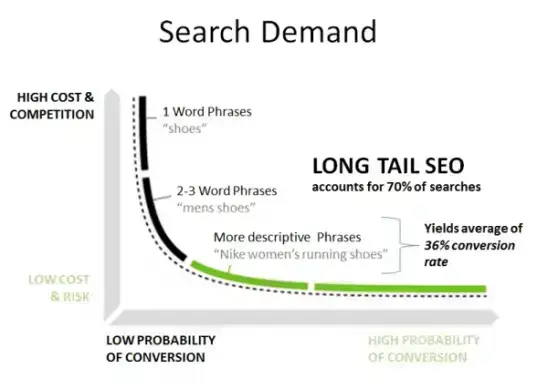
  4. Specificity wins. Most searches now use three or more words. Long-tail keywords outperform broad terms for conversion.
  5. Organic SEO takes 4-6 months to show meaningful results. It’s not fast, but the returns compound over time in a way paid ads never will.

01What Is Organic SEO?

Organic SEO is the practice of optimizing your website so it ranks higher in unpaid search engine results. When someone searches Google for “best HVAC company in Colorado Springs” or “marketing agency Denver” and your website appears in the non-sponsored listings, that’s organic SEO at work.

It covers three main areas:

  • On-page SEO. Your content, title tags, meta descriptions, headings, internal links, and how well your page matches what the searcher is looking for.
  • Off-page SEO. Backlinks from other websites, brand mentions, and your reputation across the web. These signal to Google that other people trust your content.
  • Technical SEO. Site speed, mobile performance, crawlability, structured data, and the behind-the-scenes factors that help search engines read and index your pages.

If your website is easy for search engines to understand, answers questions people are actually asking, and has signals that you’re a credible source, you’ll rank. That’s organic SEO in plain terms.

02Organic SEO vs Paid Search: What’s the Difference?

This is one of the first questions business owners ask us, whether they’re in Denver, Fort Collins, or anywhere along the Front Range. Here’s how the two compare:

Comparison of organic SEO and paid search across key factors
FactorOrganic SEOPaid Search (PPC)
Cost modelTime and content investment upfront. No per-click cost.Pay for every click. Costs increase as competition grows.
Speed to results4-6 months for meaningful traction.Immediate visibility once campaign launches.
LongevityRankings can hold for months or years with maintenance.Traffic stops the day you stop paying.
Trust signalSearchers tend to trust organic results more than sponsored listings.“Sponsored” label reduces trust for some searchers.
Traffic share53% of all website traffic comes from organic search (BrightEdge).Roughly 15% of all website traffic comes from paid search.
Best forLong-term growth, authority building, compounding returns.Short-term campaigns, promotions, testing new markets.

The smart approach for most businesses is both. Paid search gives you immediate data on what converts. Organic search builds the asset that keeps working after the ad budget runs out. But if you have to pick one to invest in first, organic SEO gives you more value over time.

03Is Organic SEO Still Worth It in 2026?

You’ve probably heard that AI is killing organic search. Here’s what’s actually happening.

Google’s AI Overviews now appear in a significant portion of search results. When they show up, click-through rates on the top organic result drop significantly. Ahrefs measured a 34.5% reduction in April 2025, and their updated February 2026 study using December 2025 data shows that number has grown to 58%. That’s real. Zero-click searches are increasing.

But here’s what that headline misses.

AI Overviews pull their answers from organic content. When Google’s AI summarizes an answer, it’s citing and linking to pages that rank organically. If you don’t have organic content, you don’t get cited. You don’t exist in the AI answer.

Organic search still accounts for 53% of all website traffic, according to BrightEdge. That number hasn’t flipped, and search remains the largest tracked channel for most sites.

What has changed is the type of content that ranks. Generic, surface-level pages are losing ground. Google and AI systems both reward content that demonstrates real expertise, answers specific questions, and comes from identifiable, credible sources. That’s the E-E-A-T framework (Experience, Expertise, Authoritativeness, Trustworthiness) in practice.

Results We’ve Seen

We’ve seen this shift directly with our Colorado clients. A year ago, a well-optimized blog post with solid keyword targeting was often enough to crack page one. Now, the posts that perform best are the ones where we include specific examples, real data from the client’s industry, and a clear point of view. The content that reads like it came from a person with experience outperforms the content that reads like it came from a template.

Organic SEO isn’t dying. But lazy organic SEO is.

04How Does Organic SEO Actually Work?

Here’s what’s involved when you do organic search optimization properly. This isn’t a checklist you run once. It’s an ongoing process.

Start with keyword research

Every organic SEO strategy starts with understanding what your potential customers are searching for. Tools like SE Ranking, Semrush, and Google Search Console show you search volume, competition, and intent behind specific terms.

The key insight most businesses miss: long-tail keywords (three or more words) make up the majority of all searches. “SEO” is competitive and vague. “Organic SEO strategies for small businesses” tells you exactly what the searcher wants. Target the specific terms and you’ll attract people who are closer to making a decision.

Build content around search intent

A search-friendly website isn’t about stuffing keywords into pages. It’s about understanding why someone is searching and giving them the best answer.

If someone searches “what is organic SEO,” they want an explanation. If they search “organic SEO services Denver,” they want a provider. Those are different pages with different purposes. Matching your content to the intent behind the search is what separates pages that rank from pages that don’t. When your organic, paid, and social efforts all target the right intent, the results compound. That’s the idea behind an integrated marketing strategy.

Get the technical foundations right

Your content can be excellent, but if your site loads slowly, isn’t mobile-friendly, or can’t be crawled properly, search engines won’t rank it. Technical SEO includes site speed optimization, clean URL structures, proper heading hierarchy, structured data markup, and making sure search engines can access and understand every important page on your site. Running a Google PageSpeed Insights test is a good starting point.

Earn backlinks through quality

When other websites link to your content, it signals to Google that your page is worth referencing. The most effective way to build backlinks in 2026 is creating content that’s genuinely useful, specific enough to cite, and better than what’s currently ranking. Outreach helps, but the foundation is having something worth linking to.

Where Google Business Profile fits in

If your business serves a local market, your Google Business Profile works alongside your organic SEO. GBP handles the map pack and local intent queries like “near me” searches. Your website handles the deeper research and comparison queries. The two reinforce each other. A strong GBP profile with consistent business information, reviews, and category relevance sends trust signals that support your organic rankings, and strong organic content gives GBP more to work with. For Colorado businesses serving specific service areas, this combination is how you show up for both “plumber near me” and “how to choose a plumber in Colorado.” For a deeper look at how local and organic search work together, see our guide to local SEO strategies for Denver and Colorado businesses.

Results We’ve Seen

Colorado service business, DTC area: After two years of paid ads with rising costs, we built an organic search strategy around 12 targeted long-tail keywords. Within six months, they ranked on page one for 8 of those 12 terms. Within a year, organic traffic accounted for roughly 35% of their monthly leads, and their cost per lead dropped by approximately half compared to paid channels.

We see the same pattern with clients across Colorado, from Boulder professional services firms to Colorado Springs home service companies. The specifics change but the approach holds.

05How to Improve Your Organic SEO

If you already have a website and want to improve your organic search performance, here’s where to focus. These are the priorities we recommend based on what moves the needle fastest for small and mid-size businesses.

Audit your existing content

Before you create anything new, look at what you have. Google Search Console shows you which pages get impressions but few clicks (opportunity pages), which keywords you rank for on page two (close to breaking through), and which pages get no traffic at all (candidates for rewriting or removing). Start with the pages that are closest to performing. If you’re not sure where to begin, our website audit guide walks through the process step by step.

Fix technical issues first

Run your site through Google PageSpeed Insights and check for mobile usability issues in Search Console. Slow pages and mobile problems are the most common organic SEO killers we see, especially with small business websites built on WordPress with too many plugins. Fix load time and mobile responsiveness before investing in new content.

Update and improve existing pages

Content refreshing is one of the highest-ROI activities in organic SEO. Take your best-performing pages, update the data, add depth, improve the structure, and re-publish. Google rewards freshness, and an updated page with existing crawl history often outperforms a brand-new page targeting the same topic.

Reality Check

The biggest ranking gains don’t come from adding more words. They come from restructuring content to answer the question faster and more directly than the competition. If your page buries the answer under three paragraphs of background, the page that leads with the answer will outrank you.

Create content that answers real questions

Look at Google’s “People Also Ask” boxes for your target keywords. Those are questions real people are asking. Create content that answers them directly, with specifics, not with generic advice. The more specific and experience-based your answer, the more likely it is to get cited in AI Overviews and featured snippets.

If you have 6 months and a modest budget, start here

  • Month 1: Fix technical blockers (site speed, mobile issues) and update your 2 highest-potential existing pages.
  • Months 2-3: Publish 2 new pages targeting long-tail keywords your audience is searching for. Build internal links between all related content.
  • Months 4-6: Expand into supporting topics to build topical authority. Start light outreach for backlinks. Review rankings and adjust.

This isn’t a formula that guarantees results. But it’s the sequence we use with most of our Colorado clients because it puts effort where it compounds fastest.

Build internal links strategically

Every page on your site should link to other relevant pages. This helps search engines understand your site structure and helps readers find related content. For organic SEO, internal linking also distributes authority across your site so more pages can rank. If you want to see how we approach digital marketing strategy for Colorado businesses, start with our guide to Denver digital marketing services.

06How Do You Measure Organic SEO Success?

Measuring organic search performance has gotten more complicated because of zero-click searches and AI Overviews. Here’s what to track and what the numbers actually mean.

Organic traffic. The total number of visitors arriving from unpaid search results. Track this monthly in Google Analytics. Look for trends over 3-6 month periods, not week-to-week fluctuations.

Keyword rankings. Track where your target keywords rank. But understand that rankings alone don’t tell the full story anymore. A page can rank #3 and get fewer clicks than it would have two years ago because AI Overviews are taking up space above it.

Click-through rate. The percentage of people who see your listing and click. If your organic rankings are stable but CTR is dropping, your title tag and meta description may need work, or AI Overviews may be absorbing clicks for that query.

Conversions from organic. This is what matters most. Track form fills, phone calls, or purchases that come specifically from organic search traffic. If traffic goes up but conversions don’t, the traffic isn’t qualified or the page isn’t converting.

Impressions. How often your pages appear in search results, even without a click. In a zero-click environment, impressions measure visibility and brand exposure. Your content may be informing decisions even when users don’t click through.

The businesses that get the most from organic SEO track all five of these and review them monthly. Rankings are a leading indicator. Conversions are the outcome that pays the bills.

Frequently Asked Questions

Organic SEO is the process of optimizing your website to rank higher in unpaid search engine results. It includes on-page optimization (content, keywords, meta tags), off-page signals (backlinks, brand mentions), and technical SEO (site speed, mobile performance, structured data). Unlike paid search, organic rankings don’t cost you per click. You earn them by creating content that search engines recognize as relevant, credible, and useful.

Organic SEO earns traffic through content quality and optimization. Paid search buys traffic through advertising platforms like Google Ads. Organic results take longer to achieve (typically 4-6 months) but provide lasting value. Paid results are immediate but stop the moment you stop paying. Organic search drives about 53% of all website traffic, while paid search drives roughly 15%.

Most businesses see early signals (increased impressions, small ranking improvements) within 2-3 months. Meaningful results like page-one rankings and measurable traffic increases typically take 4-6 months. Competitive industries or new websites may take longer. Organic SEO is a compounding investment. The longer you maintain it, the stronger the results become.

Start with a Google Search Console audit to find your existing opportunities. Fix technical issues (site speed, mobile usability) first. Then focus on updating your best-performing content with fresher data and more depth. Target long-tail keywords specific to your service area and industry. Build internal links between related pages. Consistency matters more than volume. Publishing one well-researched, well-written post per month is better than publishing four thin ones.

Yes. AI Overviews and AI search tools pull their answers from organic content. If you don’t rank organically, you’re invisible to AI systems too. Organic search still drives 53% of all website traffic. What’s changed is the quality bar. Generic content loses. Specific, experience-based content that answers real questions wins, both in traditional search results and in AI citations.

Organic SEO services are professional services focused on improving your website’s unpaid search rankings. They typically include keyword research, content strategy, on-page optimization, technical audits, link building, and performance reporting. A good organic SEO provider focuses on long-term results rather than short-term tricks. Look for providers who explain their process, show real examples, and tie their work to measurable business outcomes. You can learn more about what to look for in our guide to Denver SEO services.

Track five metrics: organic traffic (visitors from unpaid search), keyword rankings (where you appear for target terms), click-through rate (percentage of impressions that result in clicks), conversions (leads or sales from organic traffic), and impressions (total visibility in search results). Rankings are a leading indicator. Conversions are the metric that matters for your business. Review all five monthly and look at trends over 3-6 month windows.

Want to Know Where Your Organic SEO Stands?

Organic SEO works best for businesses willing to invest in relevance, not shortcuts. We’ve been building organic search strategies for Colorado businesses since 2009.

We’ll send you a complimentary audit with your biggest ranking opportunities, the top technical issues holding your site back, and three priority fixes for the next 30 days. No pitch. Just data you can use.

Request Your Free Organic SEO Audit

Or email David directly at david@creativeoptionsmarketing.com

DD

David Drewitz is the founder of Creative Options Marketing in Denver, where he has managed digital and mobile marketing campaigns for 200+ businesses across healthcare, tourism, restaurants, and B2B services since 2009. Connect with David on LinkedIn.