
Most Denver business owners know they should advertise locally but can't get a straight answer on what it costs, which channels work, or how to buy media without overpaying. This guide covers local advertising in Denver from every angle: the channels available in the Denver and Colorado Springs markets, real cost ranges, how media buying and planning works, and how to measure results.
We've been negotiating placements in the Denver market since 2009. This reflects how local buys get priced, negotiated, and tracked in practice. By the end, you'll know what ranges are realistic, what minimums to expect, and how to avoid defaulting to rate card pricing.
- A 30-second local TV spot in Denver often runs $200 to $5,000 depending on time slot and station — less than most business owners assume.
- Radio pricing in Denver commonly falls in the $5 to $25 CPM range. A Nielsen Catalina Solutions study found an average $6 sales return per $1 spent on radio advertising, with returns varying widely by category.
- If you're under $3,000/month, start with digital geo-targeting + Google Business Profile before you add traditional media.
- A local media buyer can access negotiated rates, remnant inventory, and bundles that typically aren't offered to one-off direct buyers.
01 — ChannelsWhat Does Local Advertising Actually Include?
Local advertising is any paid promotion targeted to people in a specific geographic area. For Denver and Colorado Springs businesses, that includes both traditional and digital channels — and each one does a different job.
The channel you pick depends on your budget and what you're trying to accomplish. Here's what each one tends to do well in the Denver market:
| Channel | Best For | How It's Targeted | Denver Examples |
|---|---|---|---|
| Local TV | Brand awareness, mass reach | DMA (Designated Market Area) | 9NEWS (KUSA), Denver7 (KMGH), CBS Colorado (KCNC) |
| Radio | Drive-time reach, frequency | Station format + daypart | KOA 850 AM, KBCO 97.3, iHeartMedia Denver stations |
| Billboards/OOH | Highway commuters, location-based awareness | Physical placement | Lamar on I-25, digital boards on Colorado Blvd |
| Digital geo-targeting | Precise local reach, measurable clicks | Zip code, radius, neighborhood | Google Ads, Meta, programmatic display |
| Connected TV (CTV) | Streaming audiences, younger demos | DMA + behavioral targeting | Hulu, YouTube TV, Peacock ad-supported |
| Direct mail | Household-level targeting | Carrier route, zip code | USPS EDDM |
| Niche local audiences | Publication distribution | Denver Business Journal, Westword | |
| Sponsorships | Community trust, brand association | Event/organization reach | Local 5K runs, chamber events, local sports tie-ins |
A Cherry Creek boutique trying to drive foot traffic has different needs than a B2B firm in the Denver Tech Center targeting CFOs across the Front Range. The "best" channel isn't universal.
One thing we consistently see: campaigns perform better when you pair at least two channels. Radio builds awareness and repetition. Geo-targeted digital catches the search and click behavior that follows. TV, radio, and media buying work better as a system than as isolated tactics.
A lot of Denver businesses default to "digital only" because it's easy to start and easy to measure. The problem is they end up competing in the most crowded auction (Google/Meta) without building recognition in the real world. This shows up most in categories where Denver search CPCs spike during peak season — especially HVAC and personal injury, where in our Denver accounts we've seen Google Ads CPCs exceed $40 during summer and Q4. When you pair local awareness (radio/CTV/OOH) with local capture (search + retargeting), you usually see better branded search lift and lower cost per lead over time.
02 — CostsHow Much Does Local Advertising Cost in Denver?
This is the question everyone asks and almost nobody answers with real ranges. Local advertising in Denver ranges from $200 for an off-peak TV spot to $10,000+ for a premium digital billboard, with most small businesses spending $1,500 to $7,500 per month across channels. These are typical Denver-market estimates based on industry benchmarks plus what we see when buying local media.
| Channel | Typical Cost Range (Denver) | Pricing Model | Minimum Commitment |
|---|---|---|---|
| Local TV (30-sec spot) | $200 - $5,000 per spot | CPM ($15-$35) or flat rate | Usually 4-week flight minimum |
| Radio (30-sec spot) | $50 - $750 per spot | CPM ($5-$25) | Often 13-week schedule |
| Static billboard | $2,000 - $5,000 per 4 weeks | Flat rate per cycle | 4-week minimum |
| Digital billboard | $3,000 - $10,000 per 4 weeks | Flat rate or CPM | 4-week minimum, rotation basis |
| Google Ads (local) | $500 - $5,000+/month | CPC ($2-$8 avg) | No minimum; $1,500+/mo is a practical floor |
| Meta/Facebook (local) | $300 - $3,000+/month | CPM ($6-$10) | No minimum; $500+/mo is a practical floor |
| Connected TV/OTT | $500 - $5,000+/month | CPM ($20-$35) | Varies by platform |
| Direct mail (EDDM) | $0.20 - $0.50 per piece | Per piece + production | Usually 5,000+ pieces |
Digital ranges swing most by category competition, targeting radius, and landing page conversion rate. A personal injury lawyer in Denver will pay multiples of what a yoga studio pays per click on the same platform.
A few things worth knowing before you plan a budget.
TV is cheaper than you think. Most Denver business owners assume local TV starts at $10,000+. It doesn't. Off-peak spots can land in the $200–$500 range. Morning news and daytime slots are often far below prime. Production is where budgets can jump, but a straightforward spot can run $3,000–$15,000.
Radio can work extremely well, but only with frequency. A Nielsen Catalina Solutions study found an average $6 sales return per $1 spent on radio advertising, with returns varying widely by category — two retailers in the study generated 10x and 23x returns, while other categories came in lower. That's a meaningful finding, but not a guarantee. Radio tends to work when you run enough spots for long enough to build recall.
Billboard pricing is corridor-driven. I-25 near downtown and DTC tends to price higher than secondary corridors. Lakewood can price differently than downtown. Digital boards cost more but allow rotation, so your ad shares the screen in short intervals.
Digital is the lowest-cost entry point. You can start hyper-local on Google/Meta for a few hundred dollars. The tradeoff is speed of fatigue and lower perceived trust than broadcast.
Case Study: What Negotiation Looks Like in Denver (Anonymized)
A Lakewood-based residential HVAC company was quoted $8,400 for a 13-week local radio schedule in Q3. After shifting weight from premium drive-time to a mid-day and weekend mix while keeping weekly GRPs in range, and swapping in remnant-friendly inventory, the final buy landed at $5,600 for comparable reach.
During the flight, branded search volume increased 22% and the business saw a measurable lift in calls tracked through a dedicated number (based on internal call tracking and Search Console data). This wasn't magic. It came from daypart discipline, smarter inventory choices, and basic tracking.
These are estimates, not guarantees. Rates change by season, daypart, and availability. If you want realistic pricing for your category and budget, we'll map it out.
03 — ProcessHow Does Media Buying Work for Local Businesses?
Most articles tell you to "run TV" or "buy radio" without explaining the buying process. Here's the short version in plain language.
Media planning comes first. Planning defines the audience, the budget, the goal, and the role each channel plays. For a Denver restaurant, planning might mean drive-time radio + geo-targeted Meta within 3–5 miles. For a Colorado Springs home services company, it might mean off-peak TV + direct mail to specific zip codes.
Media buying is the execution. Buying is where you contact stations/providers, negotiate pricing, confirm inventory, and manage delivery. Rate cards exist, but most buyers don't pay rate card.
Three Things Most Business Owners Don't Know About Media Buying
- Remnant inventory exists. Unsold TV/radio slots can be discounted heavily close to air date. A buyer with relationships can access it. You won't see it listed on a station site.
- Bundling can reduce combined cost. Providers often package radio + streaming audio + podcast inventory, or CTV + display. Sometimes it's a better deal. Sometimes it's filler. You need someone who will say no. This is one area where working with an agency pays for itself — a single buyer coordinating across platforms can negotiate packages that aren't available when you call each vendor separately.
- Minimums can block you out — but there are workarounds. TV often prefers 4-week flights. Radio often pushes 13-week schedules. If that doesn't fit your marketing budget, CTV and programmatic audio can be easier to access at lower monthly commitments.
Most agencies default to "digital first" because attribution is clean. We don't always. In Denver, remnant TV and radio inventory can land at a lower CPM than competitive paid search in some categories — and it carries more perceived authority. Digital still matters because it captures the demand and measures outcomes. The best results usually come from pairing both.
That's what a Denver advertising agency brings to the table: market knowledge, buying relationships, and the discipline to build a mix that fits your budget instead of forcing a template.
04 — MeasurementHow Do You Measure Local Advertising Results?
This is where most local campaigns fall apart. Businesses spend money, "feel busy," and never tie anything back to the channel mix.
Digital gives direct attribution. Clicks, calls, forms, cost per lead — you see it fast.
Traditional requires smart proxies. TV and radio don't have clicks, but they can still be tracked.
Here are tools that work:
- Vanity URLs and QR codes (unique landing pages per channel)
- Call tracking numbers (per channel, with recordings and logs)
- Promo codes (simple, effective for retail/restaurant)
- Direct + branded search lift (watch spikes during flights)
- Foot traffic studies (Placer.ai, SafeGraph, similar vendors)
One timing note: traditional usually has a longer attribution window. Give it 4–6 weeks before you decide it "didn't work." Killing a radio schedule after one week is one of the most common mistakes we see.
The Metrics That Matter
| Metric | What It Measures | Best For |
|---|---|---|
| CPM (Cost Per Thousand) | Cost to reach 1,000 people | Comparing reach efficiency |
| GRP (Gross Rating Points) | Reach x frequency | TV/radio planning discipline |
| CPC (Cost Per Click) | Cost per click | Digital efficiency |
| ROAS (Return on Ad Spend) | Revenue per dollar spent | Bottom-line evaluation |
| Cost Per Lead | Cost per inquiry | Lead-gen decision making |
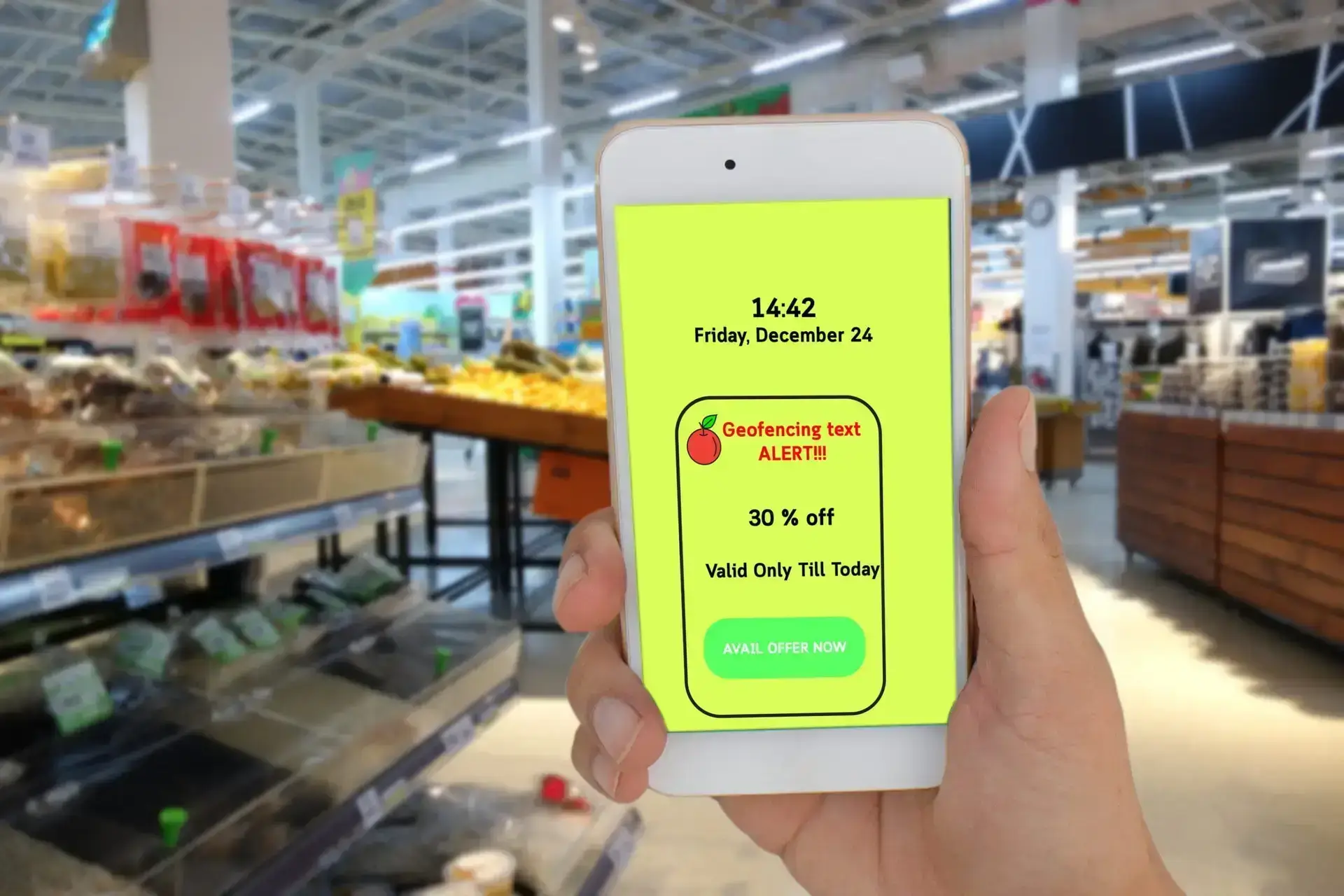
A practical way to bridge channels: run radio/CTV alongside your search + retargeting and measure digital lift. In our Denver campaigns, we look for branded search lift during the flight as a sign the awareness layer is working. Geofencing marketing strategies can also help connect offline exposure to later behavior.
05 — StrategyWhat's the Best Local Advertising Strategy for Your Budget?
Here's a framework that matches how most Denver businesses actually fund advertising: by monthly spend and consistency. Expected reach varies by CPM, creative rotation, and targeting precision.
| Monthly Budget | Recommended Channels | Typical Reach Range | Best For |
|---|---|---|---|
| $1,500 - $3,000 | Google Ads (local) + Meta geo-targeting + GBP | ~50k–150k impressions (varies by CPM and targeting) | Service businesses, early-stage visibility |
| $3,000 - $7,500 | Above + radio or CTV + targeted direct mail | ~150k–500k impressions (varies by channel mix) | Established businesses expanding reach |
| $7,500+ | Multi-channel: TV/radio + OOH + digital capture/retargeting | 500k+ impressions (varies by market and frequency) | Market share battles, multi-location |
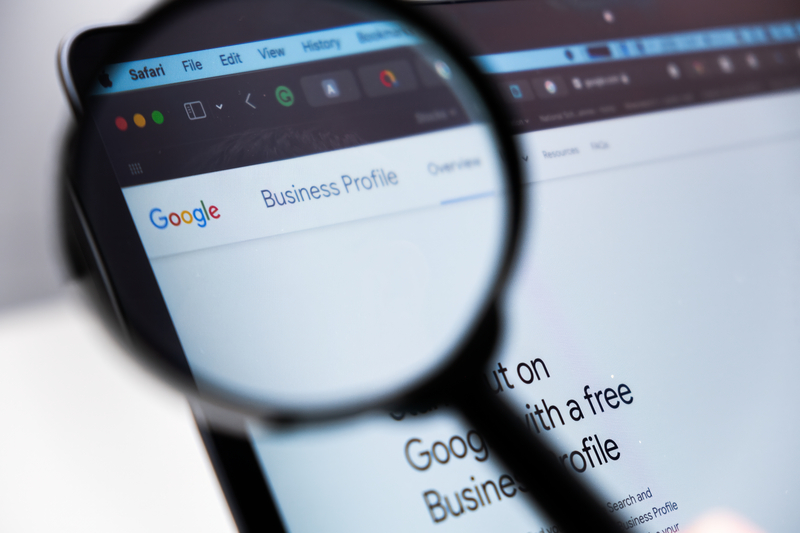
At $1,500 to $3,000/month, focus on digital capture + a strong Google Business Profile. Keep targeting tight. Keep creative simple. Build reviews. Build consistency.
At $3,000 to $7,500/month, add an awareness layer. Radio is often the most practical entry point because you can buy frequency. CTV can also work here, especially when you pair it with search and retargeting.
At $7,500+/month, you can run a real system: broadcast for presence, OOH for reinforcement, digital for capture and measurement. This is where how to make radio advertising successful intersects with TV, OOH, and search.
BIA Advisory Services projects the U.S. local advertising market will reach $182 billion in 2026. That growth doesn't mean every business should go "digital only." It means competition is rising — and sloppy channel choices get expensive.
06 — FAQFrequently Asked Questions
A 30-second spot on a Denver TV station typically runs $200 to $5,000 depending on the time slot, station, and program. Off-peak daytime and early morning slots are usually the most affordable. Primetime local news tends to price higher. Production costs for a simple local commercial often land in the $3,000 to $15,000 range, depending on creative complexity.
Media planning is the strategy: which channels, time windows, and markets match your audience and budget. Media buying is the execution: negotiating rates, purchasing inventory, and managing delivery. Planning answers "where should we advertise?" Buying answers "how do we get the right placements at the right price?"
Yes — when the channel mix matches your budget and you measure outcomes consistently. Denver has a mix of high-competition corridors (I-25, downtown) and underpriced inventory in secondary areas (Lakewood, Aurora, Arvada) that smaller businesses can use to build presence without paying premium prices everywhere. BIA's 2026 forecast pegs U.S. local ad spend at $182B, which reflects sustained demand from businesses that are seeing results.
Start with Google Business Profile (free), then add tight geo-targeted Google Ads or Meta at $500–$1,500/month focused on your service area. If your business depends on neighborhood identity, hyper-local Meta targeting often works well in areas like Highlands, Park Hill, and Wash Park. Avoid spreading budget across too many channels early.
Instagram/Facebook geo-targeting within 3–5 miles, Google Ads for "restaurants near me" intent, and radio around drive times can work well together. If you use direct mail, a simple offer sent to nearby neighborhoods can drive measurable redemptions. For restaurant-heavy zones like LoDo and Larimer Square, OOH can add directional reinforcement. Zip codes like 80202, 80205, and 80218 often matter depending on where you pull customers from.
Use unique tracking per channel: dedicated phone numbers, unique landing pages, QR codes, and promo codes. In GA4, monitor direct and branded search lift during flights. For digital, track cost per lead and ROAS in-platform. For traditional, track "digital lift" plus call volume and lead quality.
Google Business Profile costs nothing and reaches high-intent searchers. For paid options, EDDM direct mail can run $0.20–$0.50 per piece plus production, and hyper-local Facebook Ads can start at a few hundred dollars/month. The cheapest effective channel depends on your business type and how people choose you.
You can run Google Ads and Meta directly through self-serve platforms. You can also buy radio/TV by calling stations directly, but you'll often pay closer to rate card and you'll spend a lot of time learning how inventory and negotiation work. USPS EDDM is also straightforward to run yourself. If you're under ~$2,000/month, self-serve digital is manageable. Above that, negotiated rates and better planning often offset agency costs.
Let's Build Your Denver Media Plan
Send us your budget and service area. We'll map out a free Denver media plan with real pricing, a recommended channel mix, and a measurement approach you can actually use.
Get Your Free Media PlanDavid Drewitz has been negotiating local media buys in the Denver market since 2009, including placements on KOA, KBCO, and 9NEWS. He's the founder of Creative Options Marketing, where he helps Colorado businesses coordinate broadcast and digital media into measurable, multi-channel systems. Connect with David on LinkedIn